A new scheme, BrazilRAP São Paulo, has been launched with the goal of evaluating and improving highway safety in the Brazilian state.
The initiative will classify, using UK-based charity International Road Assessment Programme (iRAP)'s methodology and tools (which are applied in 126 countries), the degree of safety of São Paulo's highways.
The result will serve as the basis for the São Paulo Road Safety Plan launched by the state’s department of highways (DER).
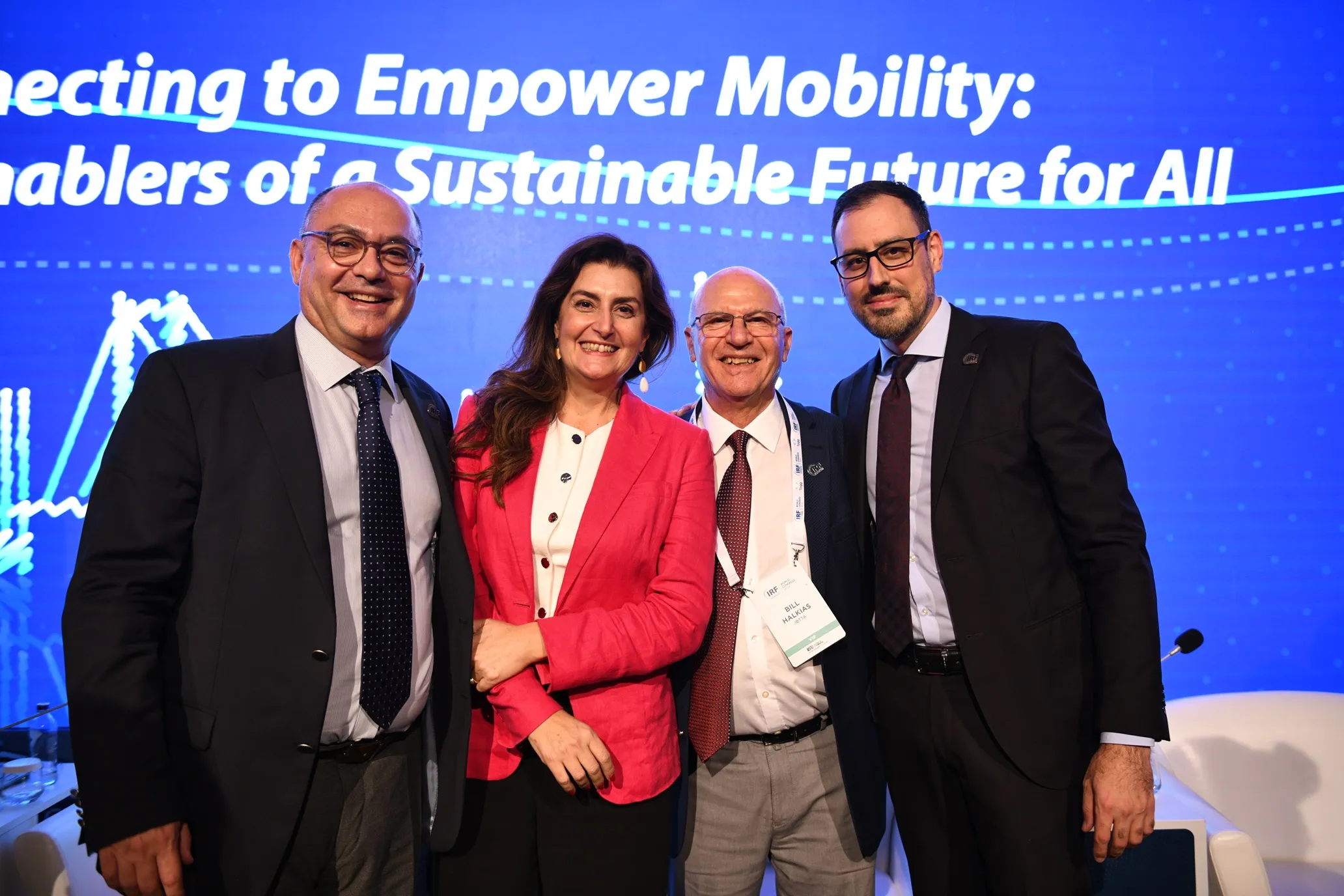
The announcement - the first partnership of its kind signed by a state government in the world, iRAP says - was made by Tarcisio de Freitas, governor of the state of São Paulo, at an event attended by Sérgio Codelo, DER superintendent, and iRAP's global director of projects, Julio Urzua.
BrazilRAP São Paulo will use iRAP’s evidence-based Star Rating methodology, as well as investment planning tools, which provide an objective rating of the level of safety ‘built in’ to the road for vehicle occupants, motorcyclists, cyclists and pedestrians. Five-star roads are the safest while one-star roads are least safe.
“BrazilRAP São Paulo is the first state-based programme of iRAP and reflects the significant efforts and achievements of DER-SP and state stakeholders in making roads safer to save lives and reduce serious injuries,” noted Greg Smith, iRAP’s global programme director.
"The programme will bring together state and local government agencies, mobility, investment, research and NGO partners to build expertise and drive action to eliminate one and two-star unsafe roads and ensure new roads are designed and constructed to the three-star or better global standard for all road users,” he said.
The establishment of BrazilRAP São Paulo builds on a series of road assessment projects and investments that have been completed since 2010. The new survey will add to the information from São Paulo’s department of highways’s 2023 Road Accident Yearbook. It is published this month after a nine-year hiatus, with a compendium of statistics and data relating to accidents recorded on the state road network last year.
During the ceremony, the government of São Paulo also announced a partnership with Google Cloud and Waze for Cities that will allow the monitoring and issuance of real-time alerts to vehicles circulating on the state's roads.
Governor de Freitas also delivered 106 vehicles to the State Highway Police and 17 to the Fire Department in new actions to promote more safety and comfort to users of the São Paulo state network.