
Innoviz bridges gap in infrastructure safety with collision detection

Bridge Collision Detection system rolled out in Israel with toll operator Drive Group
By Adam Hill June 26, 2023 Read time: 2 mins
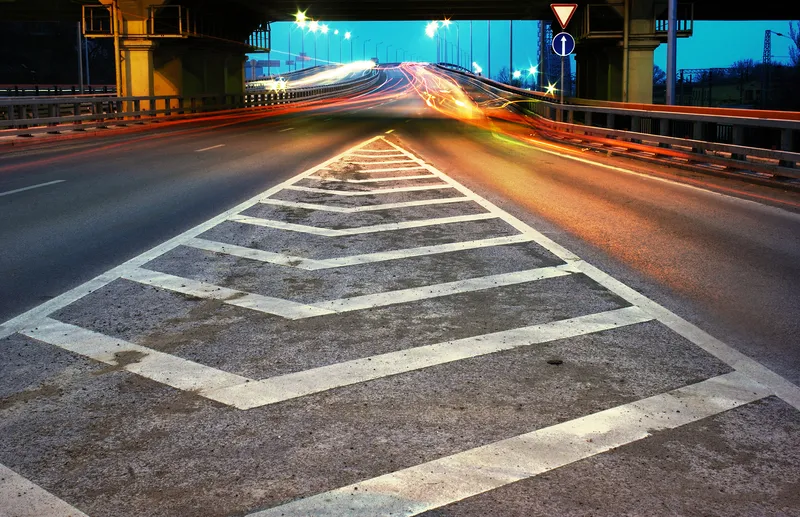
Innoviz suggests bridge collisions in the US cost an average of $18,000 each to repair (© Gregx11 | Dreamstime.com)

Lidar specialist Innoviz Technologies is to deploy its Bridge Collision Detection solution on highways, tunnels and bridges across Israel.

The company has an agreement with toll operator Drive Group to roll out the technology, and says that around 15,000 bridge and tunnel collisions occur each year in the US, with an average cost for repair of $18,000 per incident.

Its solution uses data gathered from Innoviz Lidar sensors from both sides of a highway, several kilometres ahead of the entrance to a bridge or tunnel.

This system establishes a safe operating zone and identifies vehicles with heights or widths exceeding predefined ranges determined by the road operator.

System alerts can trigger a camera to identify and share licence plate information with local authorities, who can intervene and stop the vehicle to prevent potential collisions.

"There is no reason to accept the present situation of bridge and tunnel accidents," says Innoviz CEO and co-founder Omer Keilaf.

"It is estimated that 2-3% of the world's bridges are damaged every year, and we believe the technologies being developed at Innoviz can be a game changer for roadways across the world."

Innoviz says its method "shows potential in significantly reducing false alarms from camera–based software systems"

It adds that a Lidar-based system offers "a truer, more accurate 3D visualisation of a vehicle's dimensions".

Drive Group is set to become a global distributor of the technology for highway and local authority customers.

CEO Itamar Ben Meir says it has "found a potentially world-leading solution right here in Israel".

For more information on companies in this article

Related Content

  • Radar and laser detectors save wild animals, protect drivers
    August 29, 2013
    The Ministry of Transportation (MTO) in Ontario, Canada, where collisions with wild animals cost the province more than US$95 million annually, has installed wildlife sensor and alert systems to reduce the number of animal-vehicle collisions on its highways. The MTO has installed two types of systems – one uses laser tripwires to detect animals and the other uses radar, an alternative that was found to address some of the challenges posed by laser systems. Neither system has yet been determined to be
  • ITS solutions to keep truck traffic moving
    June 8, 2015
    David Crawford reviews freight management initiatives. Managing truck traffic to minimise its environmental impacts, without adversely impacting on its critical economic role, continues to drive ITS-based solutions in both urban and interurban contexts.
  • Smart technology keeps infrastructure operating safely
    August 30, 2013
    US Departments of Transportation (DOTs) are using smart technology to warn civil engineers when something is wrong with the infrastructure, says the American Association of State Highway and Transportation Association (AASHTO). Sensors installed on bridges, in roadways, and on maintenance vehicles are communicating real-time performance and weather data, allowing engineers to solve problems before they occur. "Most people look at a road or a bridge and never realise the technology that today's modern tra
  • Roadside monitoring used to target non-compliant trucks
    March 9, 2016
    The UK’s DVSA is utilising existing technology to identify non-compliant commercial vehicles and target repeat offenders while avoiding law-abiding companies. Enforcing the compliance of commercial vehicles (goods vehicles over 3.5 tonnes and vehicles with eight or more passenger seats) on the UK’s roads is the responsibility of the DVSA (the Driver and Vehicle Standards Agency). The Department for Transport created the executive agency about 18 months ago by merging the Driving Standards Agency (DSA) and t




