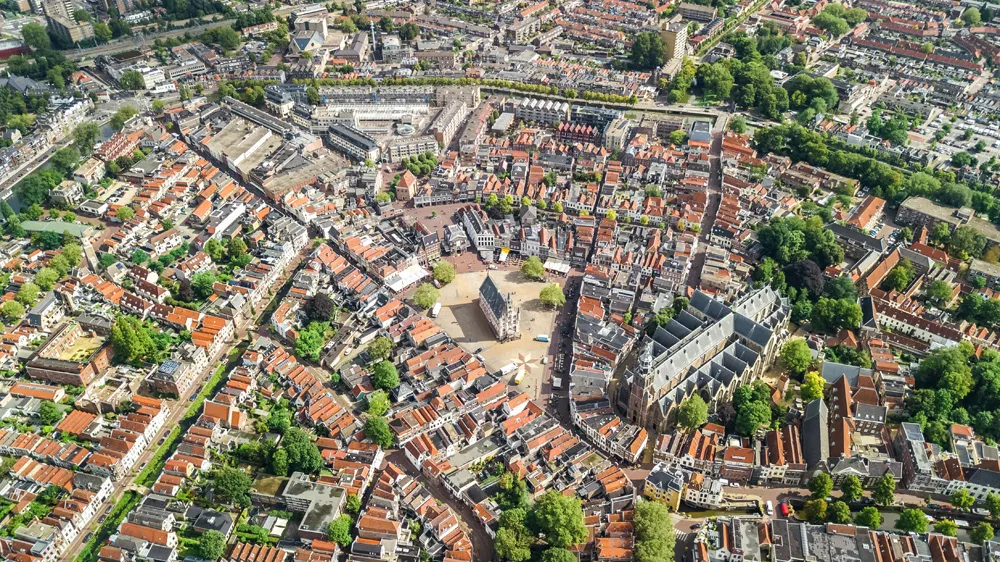
Nijmegen and Arnhem in the Netherlands are the first two cities to set up eHubs, a shared mobility project for e-bikes, e-scooters and electric vehicles (EVs).
For eHubs locations to be recognisable, they are equipped with an information panel, a traffic sign with the eHubs logo and branded eHub vehicles supplied by partner mobility providers.
The eHubs programme is run by Interreg North-West Europe, based in the north-east French city of Lille.
The European Union-backed projects will run for a year and a half and vehicles are accessed through an app any time of the day.
The programme is a transnational mobility improvement strategy to make cities more liveable and so attract businesses and people.
In Nijmegen and Arnhem, an outdoor advertising campaign has been launched to introduce the eHubs brand.
People are being encouraged to inform the municipalities about where they would like an eHub and what kind of EVs they would prefer.
This information will later be used to design the most ideal eHub locations and vehicle offer.
At present, eHubs can be small and located in residential areas, with just one or two parking spots, or bigger and close to rail stations and public transport interchanges. The key is that they should always be where they will be used most, according to Interreg Northwest.
“By kickstarting the mobility transition in six pilot cities we will set an example for other cities in Europe, which will be able to benefit from applying the blueprint and copying best practices,” notes the Interreg Northwest website.
“A large-scale uptake will significantly reduce CO2 emissions in the cities and create a growing market for commercial shared e-mobility providers.”
E-bikes will be supplied by Urbee, e-cargobikes are from Cargoroo and electric vehicles will be supplied by Amber.
The next metropolitan area to set up an eHub will be the Belgian city of Leuven.
Interreg is funded by the EU's European Regional Development Fund (ERDF) but is also open to non-EU countries such as Iceland. The purpose of the ERDF is to transfer money from richer regions to less rich areas for economic and social development.
More information on eHUBS can be found on the Interreg website.