
Seoul pilots 'Climate Card' allowing unlimited use of public transport

Key to decarbonisation is "revitalisation of public transportation use", says city mayor
By Adam Hill January 16, 2024 Read time: 2 mins
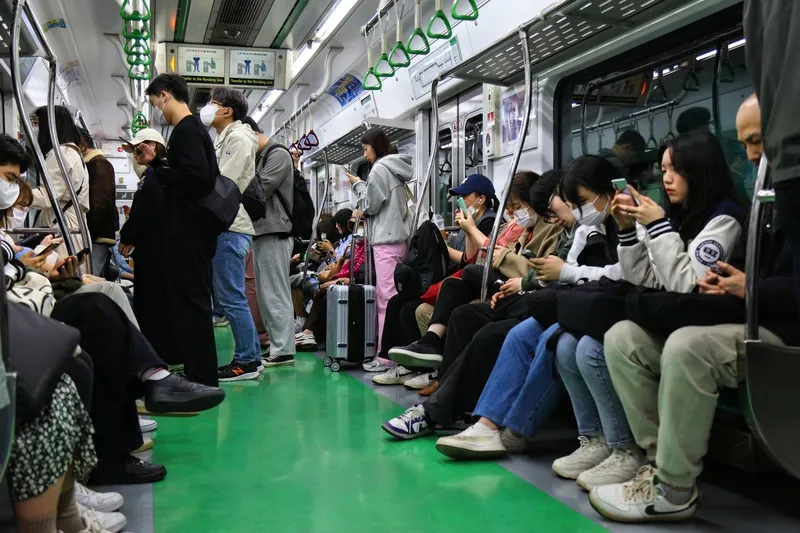
Seoul's metro system is included in the monthly fee (© Tupungato | Dreamstime.com)

Seoul is piloting a single card which will allow riders unlimited use of the city's subway, bikes and buses.

Riders in the South Korean capital will be able to use the Climate Card from Saturday 27 January. The pilot programme lasts until May 2024, with plans for full implementation in the second half of the year.

Two types of cards will be available for a monthly fee: one allowing access to subways and buses for ₩62,000 ($46.90 per month); and one that also includes the Seoul Bike service for ₩65,000 ($49 per month).

It is a similar idea - albeit at a metropolitan, not national, level - to Germany's Deutschland-Ticket (D-Ticket), which costs €49 per month for unlimited public transport, and also appears to embrace a key principle of Mobility as a Service (MaaS).

Seoul hopes the Climate Card will increase public transportation use, which was hit by the Covid-19 pandemic, "as well as respond to the ongoing concerns of climate change".

“There is a limit to how much we can reduce greenhouse gases by only changing hardware in the transportation sector, such as replacing the city’s bus and taxi fleets to eco-friendly vehicles and expanding the city’s public bike share programme," says Mayor Oh Se-hoon.

"The core of the transportation sector’s response to climate change lies in the revitalisation of public transportation use. Introduction and operation of the Climate Card is not only a way to respond to climate change, but also a way to alleviate the burden on citizens’ personal finances amidst the rising prices in transportation fares. Going forward, we will continue to develop and expand transportation policy to serve and stand in solidarity with citizens.”

The city will also start operating the River Bus service on the Hangang River in September, and has plans to include this in the Climate Card.
For more information on companies in this article

Related Content

  • Public transport study: What moves the sector?
    February 11, 2013
    A new study by transportation software provider PTV Group concludes that scarcity of resources and demographic change are determining the future of public transport. The study illustrates which topics are moving the public transport sector and how stakeholders are dealing with them. The study involved around 300 participants from around the world, including transport operators, associations, consultants and engineering companies. The majority (81 per cent) stated fewer resources and climate change as the l
  • BKK boosts MaaS in Hungary
    February 24, 2022
    Public transport operator's new BudapestGo app also covers transit outside capital
  • How can US transportation be ‘re-envisioned’?
    October 17, 2019
    In her address to this year’s ITS America Annual Meeting, congresswoman Eleanor Holmes Norton, chair of the House Subcommittee on Highways and Transit, called for a ‘re-envisioning’ of transportation. Her speech is below – and ITS International asks a number of US experts what they would like to see ‘re-envisioned’…

    I would like to welcome  ITS America to the nation’s capital.

  • Smoothing out city freight movements
    May 28, 2014
    David Crawford welcomes a national first. Urban freight movements, while commercially and socially vital, are a growing logistical headache for planners and people alike. Figures from France’s Lyon Laboratory of Transport Economics indicate that goods transport in major urban areas accounts for: 20% of traffic; 35% of CO2 emissions made by all urban trips; and 50% of the diesel used; while final km delivery runs account for 20% of the total cost of the transport chain.




