
Cycling data suggests rise in bike use in European cities

New figures from France, Italy and the UK demonstrate uptick in active travel
By Mike Woof February 16, 2024 Read time: 2 mins
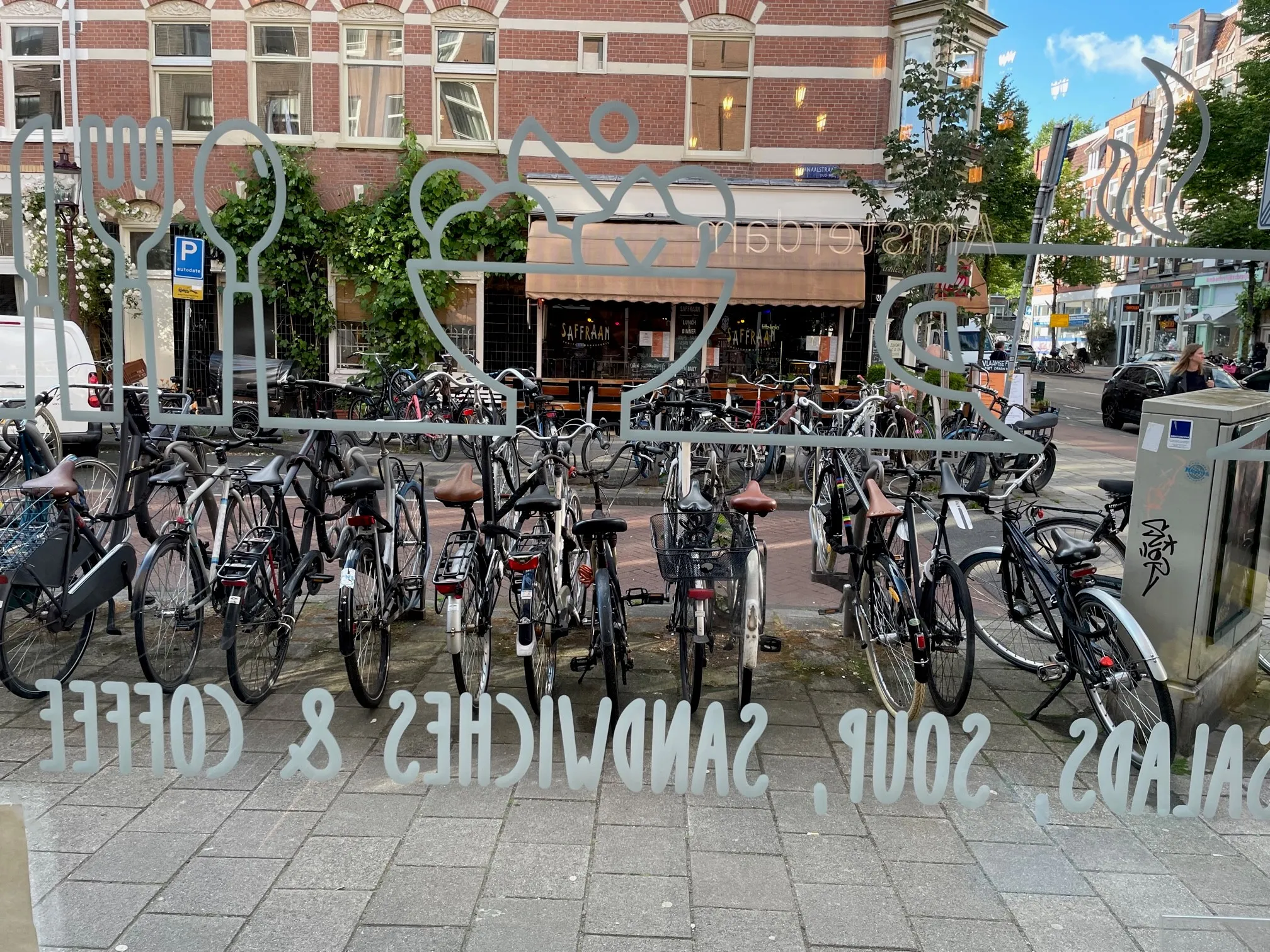
Amsterdam led the way in making bikes an integral part of city life (© ITS International | Adam Hill)

The latest data from France shows an increase in cycling for mobility. There has been a 5% growth in bicycle use in France, according to a report by the association Vélos & Territoires. Both conventional bicycles and e-bikes figure in this increase in cycling, according to the data. The utilisation of bicycles increased 7% during the week and by 6% in urban use compared to 2022. New cycle lanes in Paris as well as restrictions on the use of private cars have further helped increase levels of cycling in France’s capital.

And according to data from Transport for London (TfL) cycling in the UK capital shows a 20% increase in cycling in 2023 compared to 2019. The Travel in London report shows a growth in cycling, following on from the rise during the Covid-19 pandemic. TfL says that while overall cycling numbers have climbed, there have been changes in the characteristics of these journeys. The average length of cycling trips has decreased, indicating a shift towards shorter, more localised travel. In addition, there is a higher proportion of off-peak travel compared to before the pandemic.

In Italy, meanwhile, further boosts for cycling are expected with the development of the Apulian aqueduct in Puglia, which will see a total 192km of cycle routes. The project is being managed by AQP, with financing of €35 million being provided by regional funds and NRRP funds. The new sections will deliver a cycle path on an aqueduct, forming part of the National Cycling Route No 11.

The growth in cycling will help in the reduction of transport emissions, particularly in large cities such as Paris and London. This will also help to boost public health and boost productivity. Amsterdam and Copenhagen have set the lead in encouraging cycling in urban Europe but are now being followed by other cities. However, questions remain over the safety of cyclists due to poor standards of driving. And the layout of many cycling facilities is also in question, with too many routes not meeting safety standards and clearly not having been designed by people who actually ride bicycles.

For more information on companies in this article

Related Content

  • Increased connectivity helping cities shift to flexible mobility, report finds
    November 12, 2015
    A recent report from Navigant Research, Urban Mobility in Smart Cities, analyses the global market for smart urban mobility infrastructure and services in smart cities, including car-sharing, ride-sharing, advanced traffic management, smart parking, and other transportation innovations, with regional forecasts for revenue, through 2024. It indicates that the market for smart urban mobility infrastructure and services is expected to total US$144 million from 2015 to 2024. Cities have long been focal point
  • Tech giants could herald loss of MaaS policy control
    March 25, 2020
    With tech giants targeting the transport sector, could local authorities lose control of their means of delivering policy?
  • Growth in traffic volumes to drive European toll roads and airports in 2016, says report
    May 3, 2016
    In the wake of low inflation and competitive pressure constraining tariffs, Moody's Investors Service expects that European toll roads and airports will benefit from healthy growth in traffic volumes in 2016, albeit lower than in 2015. Traffic volume growth remains critical to the credit quality and financial performance of toll road operators and airports.
  • Flexibility, interoperability is key to future traffic management
    February 3, 2012
    Jon Taylor of Faber Maunsell and Tabatha Bailey of Transport for London describe how an unusual mix of traffic practitioners, researchers and industry are working together to build new tools for the future. As we face higher expectations for managing congestion from both citizens and politicians, and as more and more data is becoming available from new sources, our traffic management challenge is changing.




