
T-Mobile launches all-in-one solution for in-vehicle 4G LTE connectivity

T-Mobile has unveiled its T-Mobile SyncUP DRIVE, an all-in-one connected car solution that transforms a car into a rolling wi-fi hotspot and gives added vehicle diagnostics, safety and security features. T-Mobile SyncUP DRIVE plugs in to the car’s OBD-II (on-board diagnostics) port, standard on most cars built after 1996, is always on, doesn’t require charging and can be managed from a smartphone.
November 9, 2016 Read time: 2 mins

5257 T-Mobile has unveiled its T-Mobile SyncUP DRIVE, an all-in-one connected car solution that transforms a car into a rolling wi-fi hotspot and gives added vehicle diagnostics, safety and security features.

T-Mobile SyncUP DRIVE plugs in to the car’s OBD-II (on-board diagnostics) port, standard on most cars built after 1996, is always on, doesn’t require charging and can be managed from a smartphone.
 
T-Mobile SyncUP DRIVE enables drivers to stay connected via the in-vehicle wi-fi hotspot on the 4G LTE network and analyse driving behaviour by keeping track of dangerous driving behaviour like speeding, harsh braking and rapid acceleration.

The system also enables drivers to keep track of family members by alerting them to the location and status of mobile cars without contacting the drivers, set speeding alerts to encourage safe driving behaviour and set alerts to be notified when the car enters or leaves a certain area.

Drivers can also locate their vehicle, from finding a parked car on a map, locating and tracking its car’s real-time driving location or delivering a notification if the device or the car has been tampered with, bumped or had the device removed.

It also acts as a virtual mechanic to drivers take care of their car and helps reduce repair costs by providing helpful maintenance reminders and instant notifications about car trouble.

For more information on companies in this article

Related Content
  • Iowa DOT to use new Inrix Safety Alerts to help prevent rear-end collisions
    May 3, 2017
    Iowa Department of Transportation (DOT) has renewed its traffic data services contract with Inrix and will also employ Inrix Dangerous Slowdowns, a newly launched service that warns drivers and DOTs of sudden reductions in speed or stopped traffic on the road. Dangerous Slowdowns is part of the new Inrix Safety Alerts product suite which also includes Inrix Incidents and Inrix Road Weather, to provide real-time insight on roadways to inform drivers and make roadways safer. The Safety Alerts product suite co
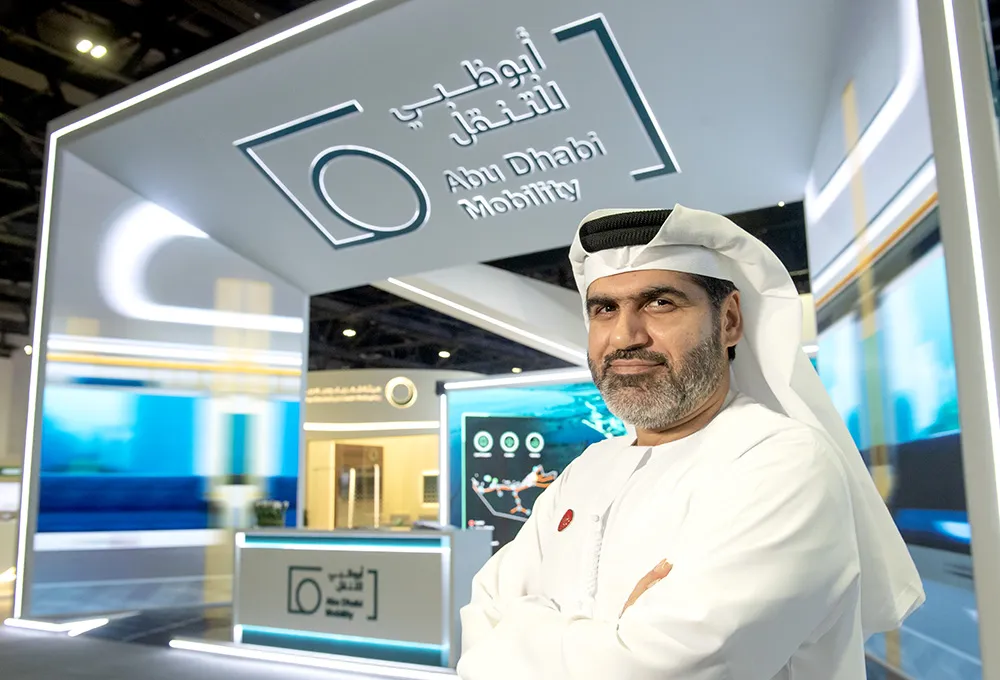
  • Safety is priority number one for Abu Dhabi Mobility
    September 19, 2024

    The Integrated Transport Centre (Abu Dhabi Mobility) has a range of smart traffic projects to highlight at #ITSDubai2024. His Excellency Abdulla Al Marzouqi, director general of the organisation, says: “Through partnerships with global experts, we aim to explore the best practices and exchange knowledge on future innovations in smart transport.” Its Intelligent Transport Central Platform (ITCP) uses artificial intelligence to integrate monitoring and incident management systems into a unified platform, enabling automatic detection of problems on the roads.

  • Machine vision develops closer traffic ties
    January 11, 2013
    Specifiers and buyers of camera technology in the transportation sector know what they need and are seeking innovative solutions. Over the following pages, Jason Barnes examines the latest developments with experts on machine vision technology. Transplanting the very high-performance camera technology used in machine vision from tightly controlled production management environments into those where highly variable conditions are common requires some careful thinking and not a little additional effort. Mach
  • Printed and flexible electronics in vehicles: major opportunity by 2026
    January 27, 2016
    A new report from IDTechEx Research, Printed and Flexible Electronics in Automotive Applications 2016-2026, indicates that the market for printed and flexible electronics in vehicles is expected to grow to over US$5.5 billion dollars in the next decade, spearheaded by the projected growth of in-mould electronics and OLED technologies. Printed and flexible electronics are beginning to proliferate, with a variety of components and devices coming to market. Several end-user verticals are expected to benefit




