Renault-Nissan and Microsoft to partner on connected driving

French car maker Renault-Nissan Alliance and Microsoft have signed a global, multiyear agreement to partner on next-generation technologies to advance connected driving worldwide. The companies will work together to develop next-generation connected services for cars powered by Microsoft Azure
September 27, 2016 Read time: 1 min

French car maker 2453 Renault-838 Nissan Alliance and 2214 Microsoft have signed a global, multiyear agreement to partner on next-generation technologies to advance connected driving worldwide.

The companies will work together to develop next-generation connected services for cars powered by Microsoft Azure, one of the company's intelligent cloud offerings. These new services are aimed at improving customer experience via advanced navigation, predictive maintenance and vehicle centric services, remote monitoring of car features, external mobile experiences and over-the-air updates.

The alliance aims to develop connectivity technologies and features to support the launch of more than 10 vehicles with autonomous driving technology by 2020 with services to maximise better use of in-car free time.

For more information on companies in this article

Related Content

  • Ford to begin testing autonomous cars on California’s roads
    December 16, 2015
    Fully autonomous Ford Fusion Hybrid sedans are taking to California streets next year, as Ford Research and Innovation Centre in Palo Alto continues growing. Ford is officially enrolled in the California Autonomous Vehicle Testing Program to test autonomous vehicles on public roads. The testing is a further advance of Ford’s ten-year autonomous vehicle development program and a key element of Ford Smart Mobility, the plan to take the company to the next level in connectivity, mobility, autonomous vehicle
  • Swarco frees up Ipswich parking
    August 10, 2022
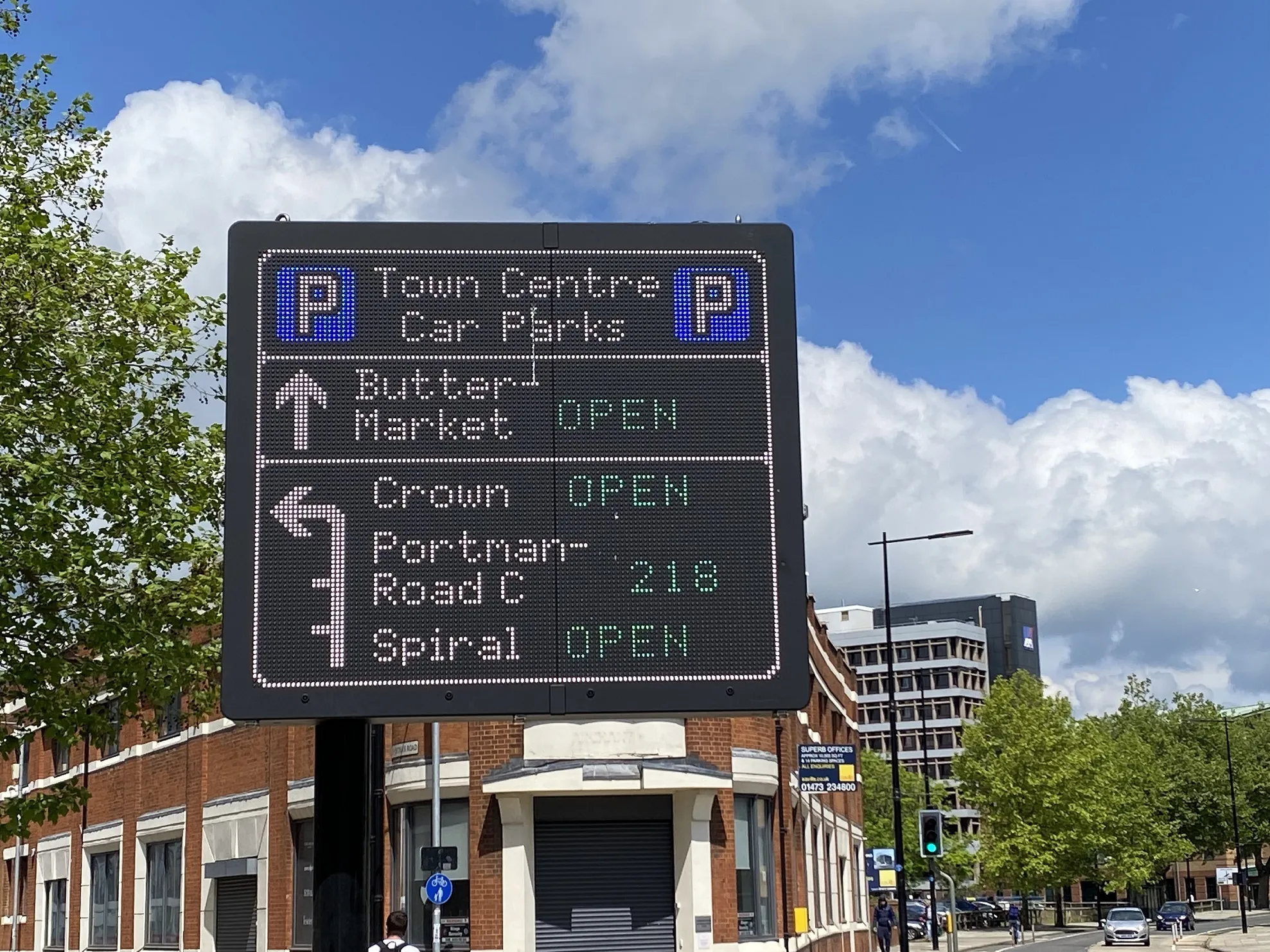
    VMS used in centre of English town to alert drivers to spaces as well as events and closures
  • Car parking and parked cars need not be a technological black hole
    March 19, 2015
    David Crawford mines the potential of joined-up parking. Drivers conventionally see parking as an isolated, often frustrating, action; but collectively their attempts to find a space impact hugely on traffic flows. But new analyses of parking events look set to deliver real benefits to motorists and cities alike. Initiatives getting under way around the world are highlighting the advantages of connecting up parking events and – eventually - parked cars. The hoped-for results include not only enhanced urban
  • NXP extends auto platform
    June 28, 2022
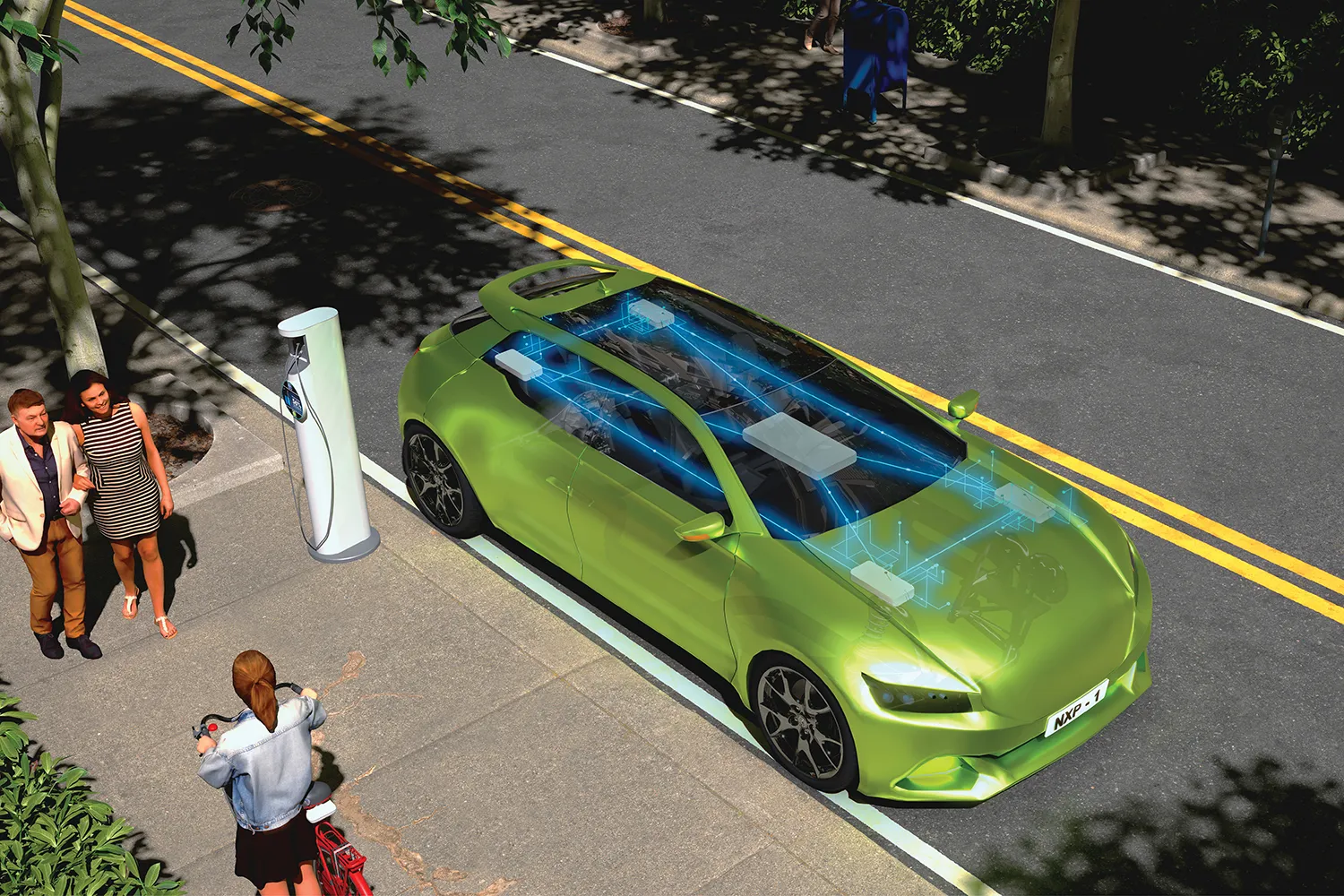
    New processor families are intended to help OEMs produce software-defined vehicles