A report by Bloomberg says that rising hacking risks to drivers as their cars become increasingly powered by and connected to computers have prompted the US’s auto-safety regulator to start a new office focusing on the threat. “These interconnected electronics systems are creating opportunities to improve vehicle safety and reliability, but are also creating new and different safety and cybersecurity risks,” David Strickland, head of the National Highway Traffic Safety Administration, said at a recent Senat

A report by Bloomberg says that rising hacking risks to drivers as their cars become increasingly powered by and connected to computers have prompted the US’s auto-safety regulator to start a new office focusing on the threat.
“These interconnected electronics systems are creating opportunities to improve vehicle safety and reliability, but are also creating new and different safety and cybersecurity risks,” David Strickland, head of the834 National Highway Traffic Safety Administration, said at a recent Senate Commerce Committee hearing. “We don’t want to be behind the eight ball.”
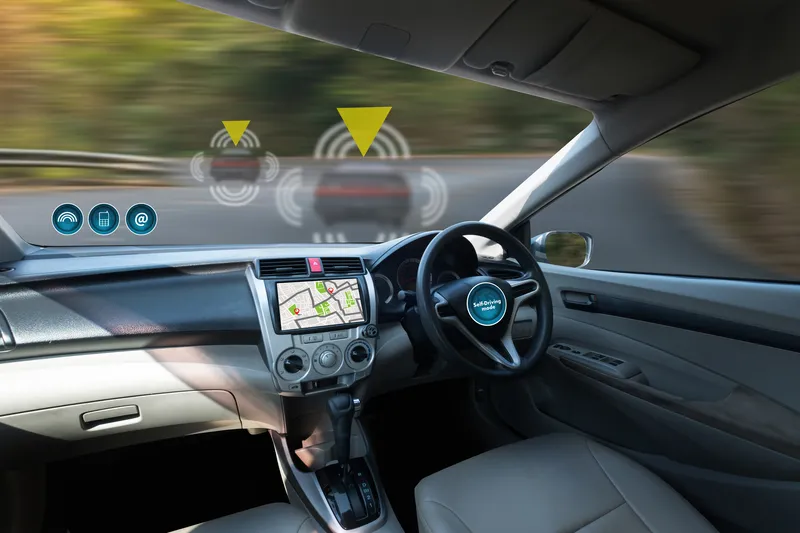
A new office within the agency to research vehicle-electronics safety will look at risks to the systems in cars and those that communicate with other vehicles. NHTSA is conducting a pilot project in Ann Arbor, Michigan, of so-called talking-car technology intended to prevent crashes.
Senate Commerce Committee Chairman Jay Rockefeller said while he’s excited about safety improvements through technology, he’s concerned about new risks including hacking.
Regulators are preparing for the possibility that cars could be accessed remotely in the future, though now a person would need to have physical access to a vehicle to redirect its electronic functions, Strickland said.
“If there is a chance of it happening, we have to address it,” Strickland told reporters after the hearing.
NHTSA and others developing new vehicle-control technologies need consumers to accept them if they’re to penetrate the market and provide safety benefits, Strickland said. If consumers don’t trust the technology, they won’t buy it, he said.
“Cybersecurity is hard,” he told reporters. “Even the best systems in the world can be compromised, as we have seen.”
Strickland said the agency plans to decide by the end of this year whether to regulate crash-imminent braking, a technology that applies brakes automatically if sensors indicate there’s about to be a crash.
“These interconnected electronics systems are creating opportunities to improve vehicle safety and reliability, but are also creating new and different safety and cybersecurity risks,” David Strickland, head of the
A new office within the agency to research vehicle-electronics safety will look at risks to the systems in cars and those that communicate with other vehicles. NHTSA is conducting a pilot project in Ann Arbor, Michigan, of so-called talking-car technology intended to prevent crashes.
Senate Commerce Committee Chairman Jay Rockefeller said while he’s excited about safety improvements through technology, he’s concerned about new risks including hacking.
Regulators are preparing for the possibility that cars could be accessed remotely in the future, though now a person would need to have physical access to a vehicle to redirect its electronic functions, Strickland said.
“If there is a chance of it happening, we have to address it,” Strickland told reporters after the hearing.
NHTSA and others developing new vehicle-control technologies need consumers to accept them if they’re to penetrate the market and provide safety benefits, Strickland said. If consumers don’t trust the technology, they won’t buy it, he said.
“Cybersecurity is hard,” he told reporters. “Even the best systems in the world can be compromised, as we have seen.”
Strickland said the agency plans to decide by the end of this year whether to regulate crash-imminent braking, a technology that applies brakes automatically if sensors indicate there’s about to be a crash.