Fully autonomous Ford Fusion Hybrid sedans are taking to California streets next year, as Ford Research and Innovation Centre in Palo Alto continues growing.
Ford is officially enrolled in the California Autonomous Vehicle Testing Program to test autonomous vehicles on public roads. The testing is a further advance of Ford’s ten-year autonomous vehicle development program and a key element of Ford Smart Mobility, the plan to take the company to the next level in connectivity, mobility, autonomous vehicle

Fully autonomous 278 Ford Fusion Hybrid sedans are taking to California streets next year, as Ford Research and Innovation Centre in Palo Alto continues growing.
Ford is officially enrolled in the California Autonomous Vehicle Testing Program to test autonomous vehicles on public roads. The testing is a further advance of Ford’s ten-year autonomous vehicle development program and a key element of Ford Smart Mobility, the plan to take the company to the next level in connectivity, mobility, autonomous vehicles, the customer experience, and data and analytics.
Ford has significantly expanded its Silicon Valley facility and over the past year has conducted research on autonomous vehicle virtual test drive, allowing virtual interaction between an autonomous car and pedestrians, replicating real-world situations to better understand and develop responses to some of the unexpected things that can happen on the road.
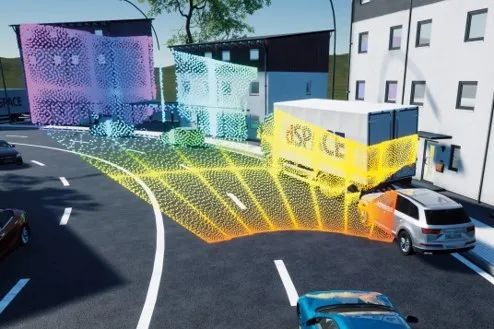
Research has also included: sensor fusion, where sensors on autonomous vehicles detect and track objects in the vehicle’s view, fusing information together to provide a 360-degree view of the car’s surroundings – including street signs, other vehicles, even pedestrians; camera-based pedestrian detection, using camera sensors to serve as the eyes of a vehicle, allowing the car to ‘see’ and sense pedestrians; and data-driven health care - using data collection from Ranger pickups and motorcycles outfitted with OpenXC technology, Ford is working with Riders for Health to collect GPS data and mapping coordinates to make health care, vaccines and medication delivery to people throughout rural Africa more efficient and accessible.
“Our Palo Alto team has grown significantly this year, using research and innovation to explore and develop future mobility solutions,” said Mark Fields, Ford president and CEO.
“Having a strong presence in Silicon Valley allows us to further accelerate our research on a wide range of technologies, and apply our insights to create real-world mobility solutions,” said Ken Washington, Ford vice president, Research and Advanced Engineering.
Ford is officially enrolled in the California Autonomous Vehicle Testing Program to test autonomous vehicles on public roads. The testing is a further advance of Ford’s ten-year autonomous vehicle development program and a key element of Ford Smart Mobility, the plan to take the company to the next level in connectivity, mobility, autonomous vehicles, the customer experience, and data and analytics.
Ford has significantly expanded its Silicon Valley facility and over the past year has conducted research on autonomous vehicle virtual test drive, allowing virtual interaction between an autonomous car and pedestrians, replicating real-world situations to better understand and develop responses to some of the unexpected things that can happen on the road.
Research has also included: sensor fusion, where sensors on autonomous vehicles detect and track objects in the vehicle’s view, fusing information together to provide a 360-degree view of the car’s surroundings – including street signs, other vehicles, even pedestrians; camera-based pedestrian detection, using camera sensors to serve as the eyes of a vehicle, allowing the car to ‘see’ and sense pedestrians; and data-driven health care - using data collection from Ranger pickups and motorcycles outfitted with OpenXC technology, Ford is working with Riders for Health to collect GPS data and mapping coordinates to make health care, vaccines and medication delivery to people throughout rural Africa more efficient and accessible.
“Our Palo Alto team has grown significantly this year, using research and innovation to explore and develop future mobility solutions,” said Mark Fields, Ford president and CEO.
“Having a strong presence in Silicon Valley allows us to further accelerate our research on a wide range of technologies, and apply our insights to create real-world mobility solutions,” said Ken Washington, Ford vice president, Research and Advanced Engineering.