The Dubai Roads and Transport Authority (RTA), in collaboration with Dubai Properties, has recently begun the trial operation of autonomous vehicles, each capable of carrying ten passengers, within the Business Bay District over a 650 metre-long track. This follows the success of the first and second phases of the trial operation of smart vehicles in the Dubai World Trade Center and the Mohammed bin Rashid Boulevard.
The electric-powered smart vehicle is designed to move within closed internal roads in a

The Dubai Roads and Transport Authority (RTA), in collaboration with Dubai Properties, has recently begun the trial operation of autonomous vehicles, each capable of carrying ten passengers, within the Business Bay District over a 650 metre-long track. This follows the success of the first and second phases of the trial operation of smart vehicles in the Dubai World Trade Center and the Mohammed bin Rashid Boulevard.
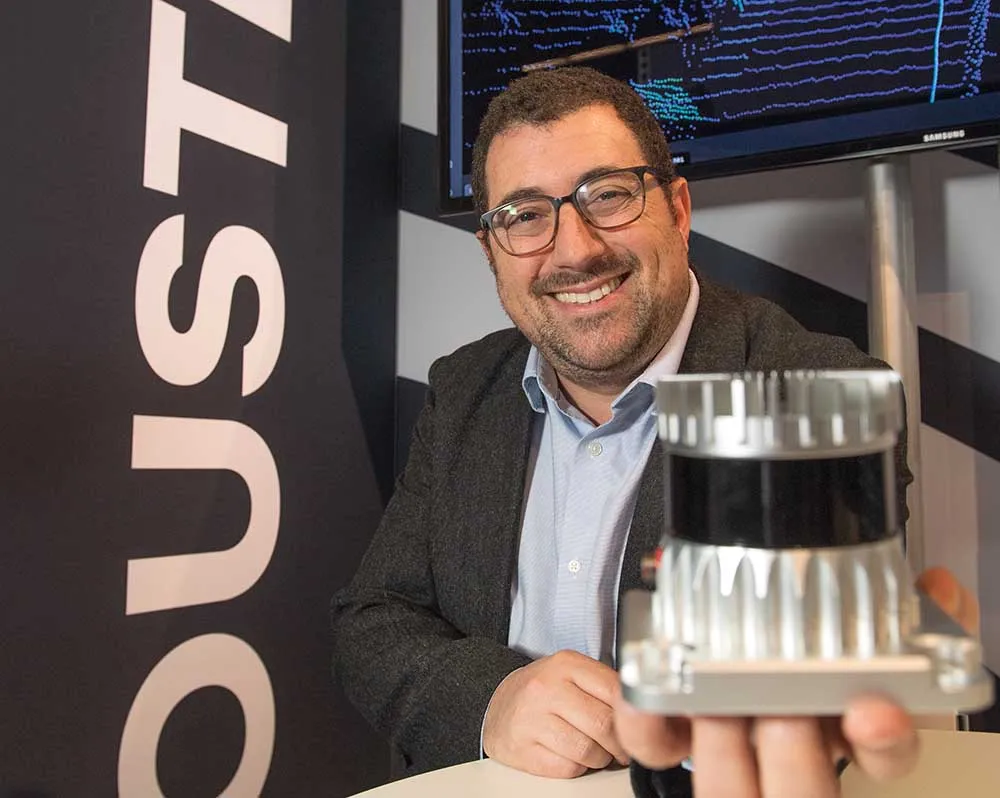
The electric-powered smart vehicle is designed to move within closed internal roads in areas such as residential districts and entertainment venues. It is fitted with a GPS system and uses laser sensors enabling it to spot any object up to 40 metres away. It can slow down automatically once an object approaches to within two metres and comes to a complete halt if the object is closer than that.
According to Ahmed Bahrozyan, CEO of RTA’s Licensing Agency and chairman of the Smart Vehicles Committee, the trial is part of RTA’s aim to convert 25 per cent of journeys in Dubai to autonomous transport by 2030. It intends to test autonomous vehicle technology and operation under Dubai’s climatic conditions and to inform residents about the government’s strategy for smart vehicles. It also seeks to gain people’s perceptions of autonomous vehicles via a questionnaire.
RTA is considering broadening the deployment of autonomous vehicles in other areas of Dubai including metro stations, malls and tourist spots. It is also working on drafting legislation towards the implementation of the smart mobility strategy of the Emirate and setting out well-defined legal structures covering the fourth, fifth, sixth and seventh key aspects of the policy of using autonomous vehicles in the first and last mile stage, business centres, residential complexes and parks.
The electric-powered smart vehicle is designed to move within closed internal roads in areas such as residential districts and entertainment venues. It is fitted with a GPS system and uses laser sensors enabling it to spot any object up to 40 metres away. It can slow down automatically once an object approaches to within two metres and comes to a complete halt if the object is closer than that.
According to Ahmed Bahrozyan, CEO of RTA’s Licensing Agency and chairman of the Smart Vehicles Committee, the trial is part of RTA’s aim to convert 25 per cent of journeys in Dubai to autonomous transport by 2030. It intends to test autonomous vehicle technology and operation under Dubai’s climatic conditions and to inform residents about the government’s strategy for smart vehicles. It also seeks to gain people’s perceptions of autonomous vehicles via a questionnaire.
RTA is considering broadening the deployment of autonomous vehicles in other areas of Dubai including metro stations, malls and tourist spots. It is also working on drafting legislation towards the implementation of the smart mobility strategy of the Emirate and setting out well-defined legal structures covering the fourth, fifth, sixth and seventh key aspects of the policy of using autonomous vehicles in the first and last mile stage, business centres, residential complexes and parks.