
Trust in automation technology is very much age dependent, as younger consumers have a notably higher level of confidence in the technology than their older counterparts, according to the J.D. Power 2016 US Tech Choice Study, which says trust in automation technology is a critical step toward the future of automated vehicles.
The study was conducted in February through March 2016 and is based on an online survey of more than 7,900 consumers who purchased/leased a new vehicle in the past five years.
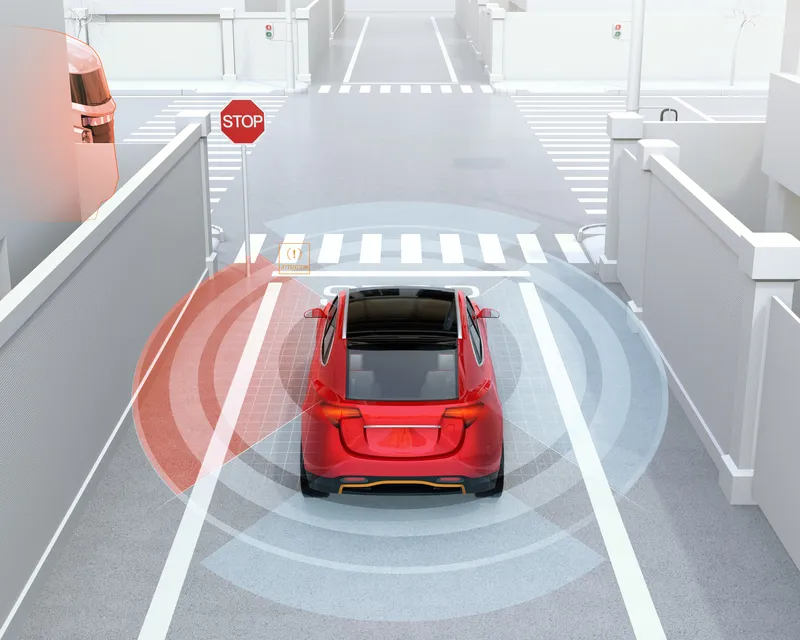
The study finds that customers are most interested in a number of automotive technology features that make use of the underpinnings of fully automated vehicles, such as radar, sensors, light detection and ranging (LIDAR) and cameras. Features with high consumer interest include smart headlights, night vision, lane change assist, traffic jam assist, medical emergency stop, smart intersection and predictive vehicle control.
However, when it comes to making the leap to fully automated cars, trust in the technology is directly linked to the age of the consumer. More than half of Gen Y (born 1977-1994) and Gen Z (1995-2000) vehicle owners say they trust self-driving technology, compared with 41 per cent of Gen X (1965-1976), 23 per cent of Baby Boomers (1946-1964) and 18 per cent of Pre-Boomers (born before 1946).
The one view all generations share is a concern for technology security, specifically surrounding privacy and the potential for systems to be hacked, hijacked or to crash (either the vehicle or the system itself).
"The level of trust is directly linked to the level of interest in a new technology among automobile buyers," said Kristin Kolodge, executive director of driver interaction and HMI research at J.D. Power. "Acceptance can be increased with exposure over time and experience with automated technologies. But trust is fragile and can be broken if there is an excessive number of incidents with automated vehicles."

Consumer interest builds for 'gateway' automated vehicle technologies, says study
Trust in automation technology is very much age dependent, as younger consumers have a notably higher level of confidence in the technology than their older counterparts, according to the J.D. Power 2016 US Tech Choice Study, which says trust in automation technology is a critical step toward the future of automated vehicles. The study was conducted in February through March 2016 and is based on an online survey of more than 7,900 consumers who purchased/leased a new vehicle in the past five years.
Related Content



Highlighted Content




