South Korea reduces toll fees for EVs, hydrogen cars

Highway toll charges in South Korea for electric and hydrogen fuel-cell vehicles will halve from September, the transport ministry has said, reports Yonhap News Agency.
July 13, 2017 Read time: 1 min

Highway toll charges in South Korea for electric and hydrogen fuel-cell vehicles will halve from September, the transport ministry has said, reports Yonhap News Agency.
 
The government plans to temporarily operate the discount program for environment-friendly vehicles by 2020, the Ministry of Land, Infrastructure and Transportation said in a statement. Depending on the results, it will decide on whether to continue.

To get the discount, the drivers of electric and hydrogen cars must install Hi-pass, a prepaid system for expressways in South Korea.

By 2020, the government aims to increase the number of eco-friendly vehicles to 1.5 million, composed of 1.24 million hybrid cars, 250,000 electric cars and 10,000 hydrogen cars. The figures are sharply up from 275,000 units that included 260,405 hybrid cars, 14,861 electric and 128 hydrogen cars as of May this year.

Related Content

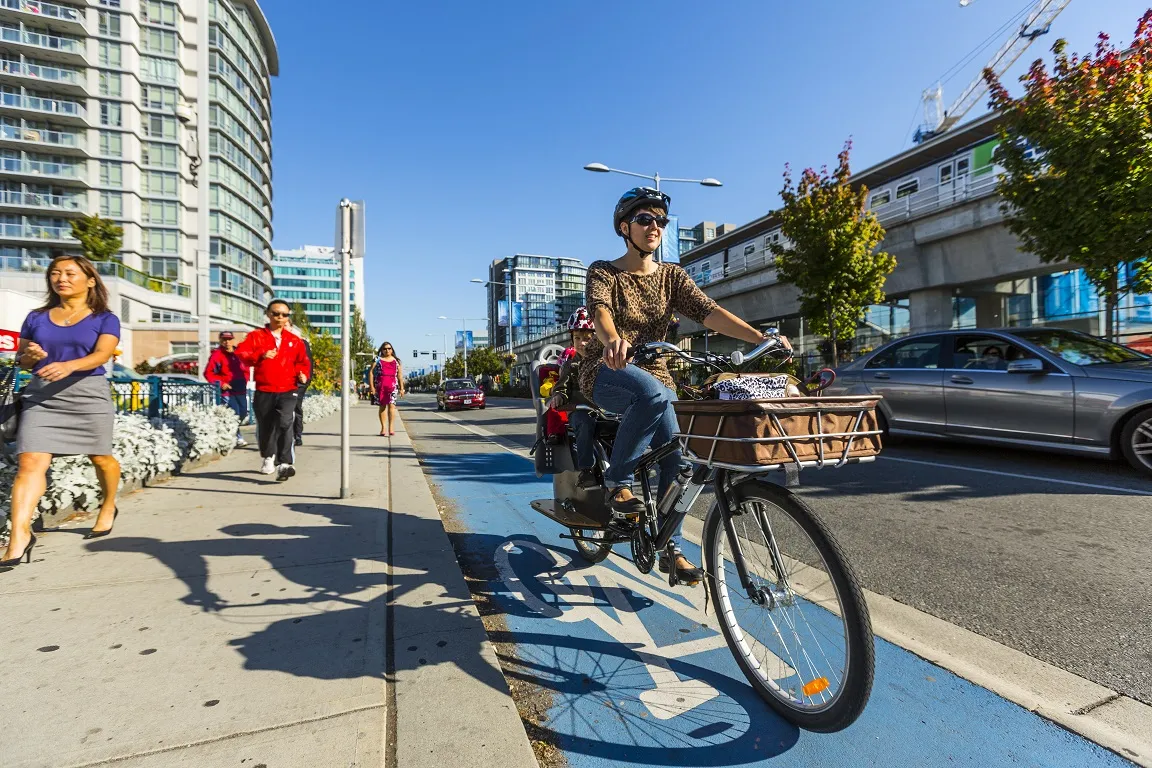
  • $130m infrastructure spend in Vancouver
    August 18, 2022
    TransLink invests in cycling paths, walkways, multi-use paths, intersections and roads
  • Need for standardisation of toll classes
    March 2, 2012
    In a previous article Bob Lees of Idris Technology Ltd looked at the appropriateness of toll classes in relation to all-electronic toll fee collection. Here, he looks at how addressing classification standardisation could avoid downstream aggravation and cost
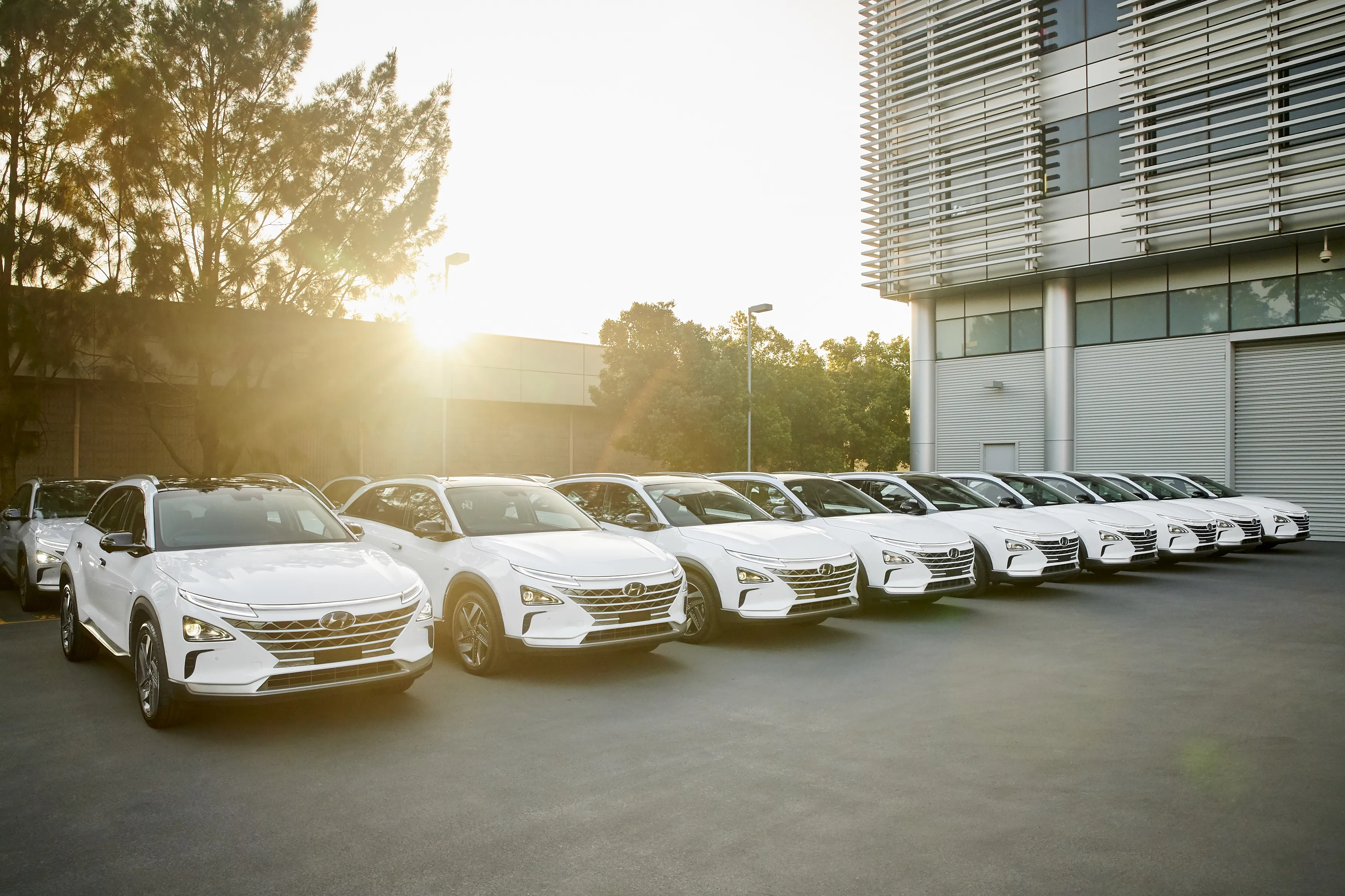
  • Hyundai hydrogen powers Australian gov fleet
    March 11, 2021
    Twenty zero-emission hydrogen fuel-cell electric vehicles will operate in ACT
  • Airborne traffic monitoring - the future?
    March 1, 2013
    A new frontier in the quest to monitor road traffic is opening up… but using airborne drones to reduce the jams comes with some thorny issues. Chris Tindall reports. Imagine if you could rely on a system that provided all the data you needed to regulate traffic flow, route vehicles and respond swiftly to emergencies for a fraction of the cost of piloting a helicopter. That system exists, but as engineers and traffic managers start to explore the potential of unmanned aerial vehicles (UAVs) – more commonly k