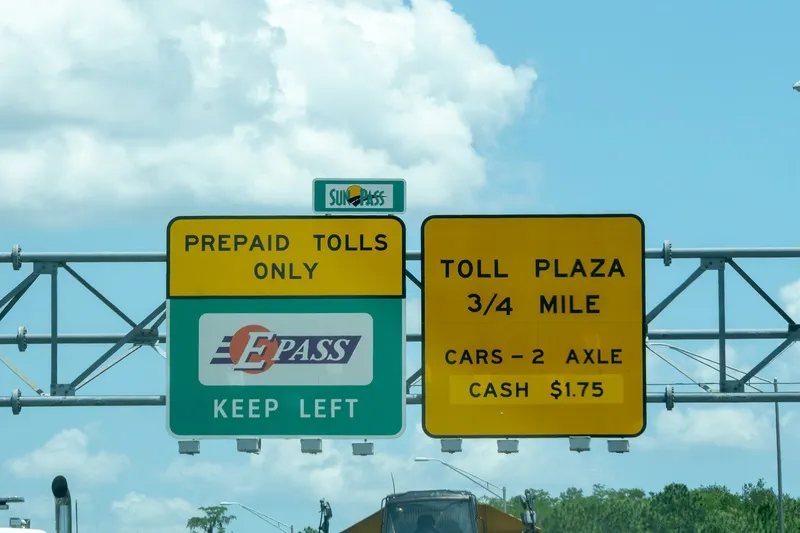
Johannesburg’s new mayor, Herman Mashaba, has promised motorists they can stop looking over their shoulders over e-toll payments, says Business Day Live.
Making his inaugural council speech in Johannesburg, Mashaba said there would be ‘no cooperation’ between Johannesburg police and South African National Roads Agency (Sanral) on outstanding e-toll payments.
Mashaba is also focusing on cleaning up the city’s finances, vowing to crack down on ‘fruitless and irregular expenditure’ incurred by city offic

Johannesburg’s new mayor, Herman Mashaba, has promised motorists they can stop looking over their shoulders over e-toll payments, says Business Day Live.
Making his inaugural council speech in Johannesburg, Mashaba said there would be ‘no cooperation’ between Johannesburg police and South African National Roads Agency (Sanral) on outstanding e-toll payments.
Mashaba is also focusing on cleaning up the city’s finances, vowing to crack down on ‘fruitless and irregular expenditure’ incurred by city officials in the last financial year.
Also in his sights is what he sees as the city's unnecessary spending, particularly on the much-touted bicycle lanes and for marketing and advertising.
“I was concerned to note that US$5 million (ZAR70 million) has been set aside over the next three years for the development of bicycle lanes around our city. I intend putting a halt to this project. When every road in Johannesburg is tarred, maybe then we will look at bicycle lanes again,” said Mashaba.
Making his inaugural council speech in Johannesburg, Mashaba said there would be ‘no cooperation’ between Johannesburg police and South African National Roads Agency (Sanral) on outstanding e-toll payments.
Mashaba is also focusing on cleaning up the city’s finances, vowing to crack down on ‘fruitless and irregular expenditure’ incurred by city officials in the last financial year.
Also in his sights is what he sees as the city's unnecessary spending, particularly on the much-touted bicycle lanes and for marketing and advertising.
“I was concerned to note that US$5 million (ZAR70 million) has been set aside over the next three years for the development of bicycle lanes around our city. I intend putting a halt to this project. When every road in Johannesburg is tarred, maybe then we will look at bicycle lanes again,” said Mashaba.