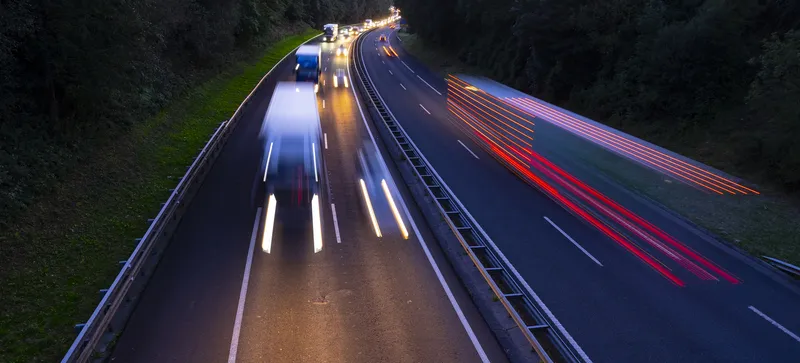
Celtic Roads Group (Dundalk) has awarded Indra a contract valued at US$4 million (€3.6 million) to renew the toll system on the M1 motorway in Ireland, which connects Dublin to the border of Northern Ireland.
Indra upgraded the toll systems on this highway in 2004 and extended the systems to new high-speed roads in 2009. The company is also responsible for the maintenance of the systems.
Under the new contract, Indra will upgrade the road infrastructure and the back-office system of the M1 mainline a

Celtic Roads Group (Dundalk) has awarded 509 Indra a contract valued at US$4 million (€3.6 million) to renew the toll system on the M1 motorway in Ireland, which connects Dublin to the border of Northern Ireland.
Indra upgraded the toll systems on this highway in 2004 and extended the systems to new high-speed roads in 2009. The company is also responsible for the maintenance of the systems.
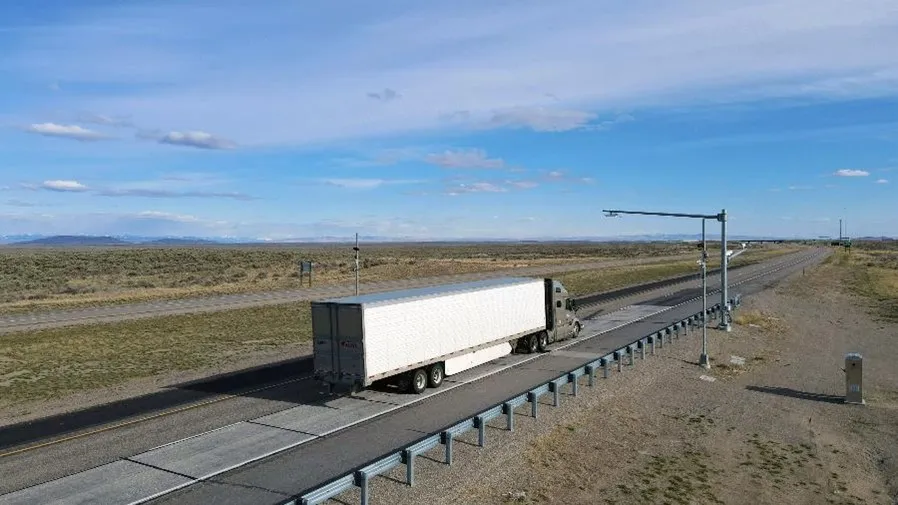
Under the new contract, Indra will upgrade the road infrastructure and the back-office system of the M1 mainline and two ramp plazas to renew the technology in accordance with the standards issued by Transport Infrastructure Ireland. Electronic toll systems will be installed so that vehicles will be able to drive straight through at normal road speeds without stopping. The technology also includes manual payment systems with unattended payment systems equipped with convenient automatic machines that accept all payment types. The back-office system will manage the collection of payments and keep track of revenues easily and securely.
The works also involve maintaining the existing toll system and working closely with the operating with an option to extend to twelve years.
Indra upgraded the toll systems on this highway in 2004 and extended the systems to new high-speed roads in 2009. The company is also responsible for the maintenance of the systems.
Under the new contract, Indra will upgrade the road infrastructure and the back-office system of the M1 mainline and two ramp plazas to renew the technology in accordance with the standards issued by Transport Infrastructure Ireland. Electronic toll systems will be installed so that vehicles will be able to drive straight through at normal road speeds without stopping. The technology also includes manual payment systems with unattended payment systems equipped with convenient automatic machines that accept all payment types. The back-office system will manage the collection of payments and keep track of revenues easily and securely.
The works also involve maintaining the existing toll system and working closely with the operating with an option to extend to twelve years.